

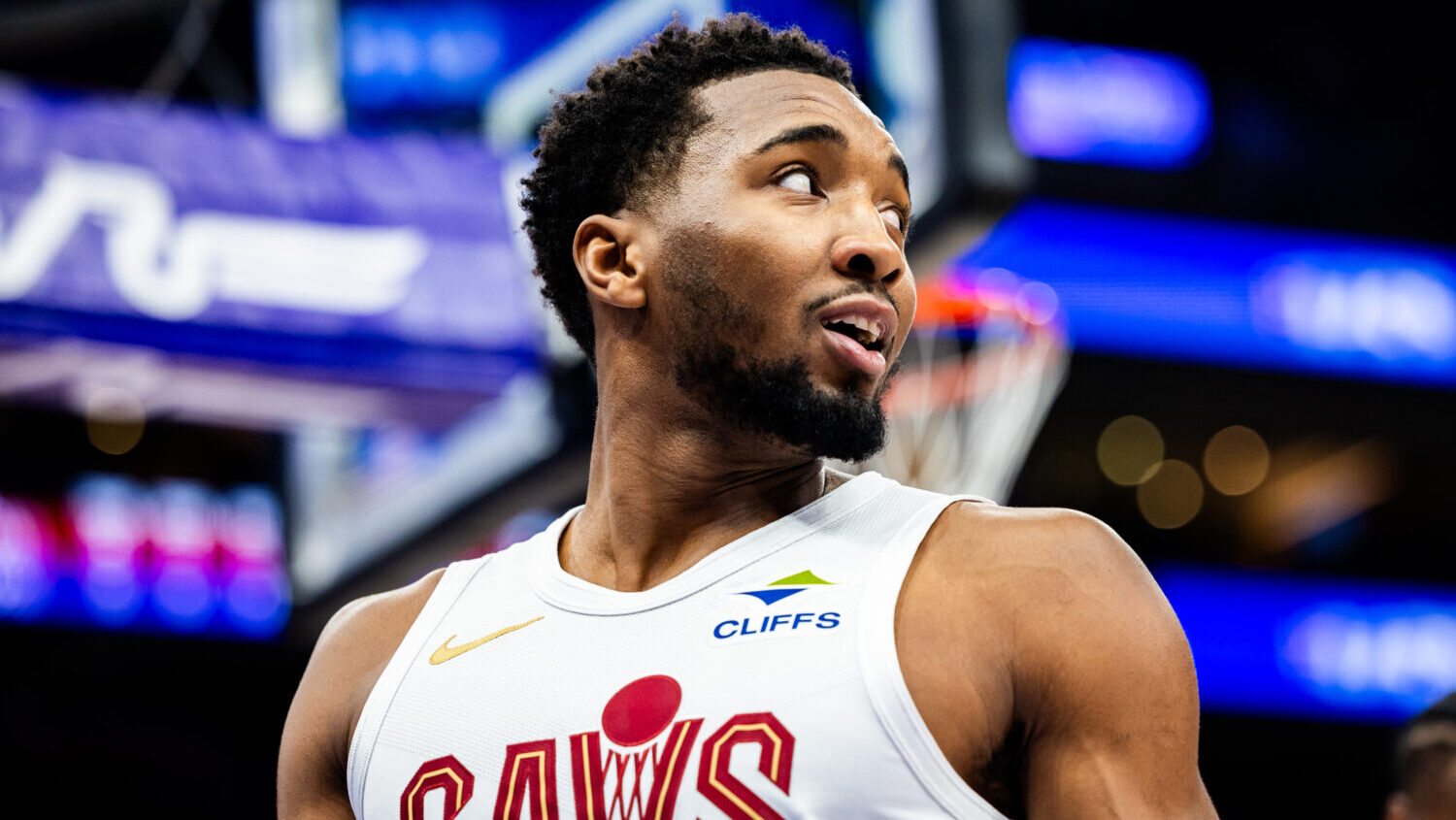
The donovan mitchell trade stands as one of the most discussed and analyzed moments in recent NBA history. It wasn’t just a transaction involving draft picks and young players. It was a franchise-altering decision that reshaped competitive timelines, redefined team identities, and reignited debates about how modern superstars should be valued in the trade market.
From the moment rumors began circulating, the donovan mitchell trade dominated headlines, podcasts, and front-office conversations across the league. Fans wanted to know where the All-Star guard would land, analysts debated the price tag, and executives quietly studied how the deal might reset the balance of power in the Eastern Conference. What ultimately unfolded became a textbook example of how star trades work in today’s NBA.
This in-depth guide breaks down the donovan mitchell trade from every angle. You’ll explore the background that made the deal inevitable, the motivations of both teams, the short- and long-term impact, and what it all means for the league moving forward. If you’re looking for a complete, authoritative explanation of the donovan mitchell trade, you’re in the right place.
The Context Behind the Donovan Mitchell Trade
Before the donovan mitchell trade became official, the situation in Utah had already reached a crossroads. Utah Jazz had been a perennial playoff team, consistently winning games but falling short of true championship contention. Despite elite offensive production and highlight-reel performances, the roster construction around Mitchell failed to translate regular-season success into postseason breakthroughs.
As the league evolved toward positionless basketball and switch-heavy defenses, Utah’s core began to look capped. Front-office leadership recognized that incremental changes would not be enough. The donovan mitchell trade emerged as part of a broader reset that also included moving veteran stars and prioritizing future flexibility.
At the same time, Mitchell’s value had never been higher. He was entering his prime, under contract, and widely regarded as one of the league’s most explosive scorers. In trade discussions, the donovan mitchell trade quickly became the measuring stick for what a young superstar could command in return.
Why the Cleveland Cavaliers Pushed for the Donovan Mitchell Trade
On the other side of the deal, Cleveland Cavaliers saw opportunity. Cleveland had quietly assembled one of the league’s most intriguing young cores, built around defense, size, and unselfish play. What they lacked was a proven offensive engine who could take over games when the stakes were highest.
The donovan mitchell trade solved that problem instantly. By acquiring a guard capable of creating offense at all three levels, Cleveland shifted from an up-and-coming team to a legitimate contender. The front office understood the cost would be steep, but the belief was that elite talent is rarely available at Mitchell’s age.
In many ways, the donovan mitchell trade reflected a philosophical shift. Instead of waiting for internal development alone, the Cavaliers accelerated their timeline. They bet that pairing Mitchell with an already strong defensive foundation would produce immediate and sustainable success.
Breaking Down the Donovan Mitchell Trade Package
The structure of the donovan mitchell trade highlighted how modern NBA deals are built. Rather than focusing solely on established players, the agreement centered on long-term assets. Multiple first-round picks, pick swaps, and promising young talent formed the backbone of the return.
For Utah, the donovan mitchell trade wasn’t about winning the next season. It was about controlling the next decade. Draft capital offered flexibility, optionality, and the chance to rebuild organically or pivot again if the right opportunity arose. This approach mirrors strategies used by other rebuilding franchises that prioritize asset accumulation over short-term results.
From Cleveland’s perspective, the donovan mitchell trade represented a calculated risk. Draft picks are valuable, but they are also uncertain. Proven star production, especially in playoff environments, carries a premium. Cleveland chose certainty, trusting that Mitchell’s presence would make those future picks less valuable anyway.
How the Donovan Mitchell Trade Changed Cleveland’s Identity
The immediate impact of the donovan mitchell trade was visible on the court. Cleveland’s offense became more dynamic, more aggressive, and far less predictable. Defenses that once collapsed on the paint now had to account for Mitchell’s pull-up shooting and downhill pressure.
Beyond statistics, the donovan mitchell trade altered leadership dynamics. Mitchell arrived with playoff experience and a scorer’s mentality, traits that elevated expectations in the locker room. Younger players benefited from having a clear offensive hierarchy, while coaches gained a reliable option in late-game situations.
Over time, the donovan mitchell trade helped Cleveland rebrand itself. The franchise transitioned from a rebuilding story to a team with real postseason aspirations. National broadcasts increased, fan engagement spiked, and the Cavaliers reclaimed relevance in league-wide conversations.
Utah’s Long-Term Vision After the Donovan Mitchell Trade
For Utah, the donovan mitchell trade marked the beginning of a new chapter. Without a single dominant star, the Jazz leaned into depth, player development, and flexibility. The front office prioritized creating a sustainable system rather than chasing immediate wins.
The donovan mitchell trade allowed Utah to reset its financial books and explore creative roster construction. With multiple draft picks in hand, the team gained leverage in future trades and the ability to move up in drafts if a franchise cornerstone became available.
Importantly, the donovan mitchell trade also gave Utah clarity. Instead of hovering between contention and rebuilding, the organization chose a clear direction. That decisiveness is often what separates successful rebuilds from prolonged mediocrity.
League-Wide Reactions to the Donovan Mitchell Trade
Across the NBA, the donovan mitchell trade sent ripples through front offices and fan bases alike. Executives reevaluated the cost of star acquisitions, while players paid close attention to how loyalty, contracts, and leverage intersect in modern negotiations.
Media coverage of the donovan mitchell trade frequently compared it to other blockbuster deals involving All-NBA talent. Analysts debated whether Cleveland paid too much or whether Utah extracted maximum value. These discussions reinforced how subjective trade evaluations can be, especially when future assets are involved.
For the league as a whole, the donovan mitchell trade underscored a key reality. Star players in their prime rarely move unless teams are willing to meet extraordinary demands. This deal became a benchmark for future negotiations involving elite guards.
What the Donovan Mitchell Trade Means for the NBA’s Future
Looking ahead, the donovan mitchell trade will continue to influence decision-making across the NBA. Teams weighing whether to rebuild or push for contention now have a fresh case study to reference. The balance between patience and aggression has never been more delicate.
For players, the donovan mitchell trade highlights the importance of timing and fit. Being moved to a roster that complements a player’s strengths can unlock new levels of performance. Mitchell’s transition showed how context matters just as much as talent.
As younger stars approach contract extensions, the donovan mitchell trade will remain part of the conversation. It serves as proof that age, production, and contract length significantly shape trade value in today’s league.
Conclusion: Why the Donovan Mitchell Trade Still Matters
Even seasons later, the donovan mitchell trade remains one of the most significant transactions of its era. It reshaped two franchises, altered competitive trajectories, and offered valuable lessons about risk, reward, and vision in the NBA.
For Cleveland, the donovan mitchell trade represented belief in the present and confidence in a star’s ability to elevate a team. For Utah, it symbolized discipline, foresight, and a willingness to start fresh. Both approaches were valid, and both continue to unfold in real time.
Ultimately, the donovan mitchell trade wasn’t just about moving a player. It was about redefining what success looks like and how teams choose to pursue it in an ever-evolving league.
Frequently Asked Questions About the Donovan Mitchell Trade
What year did the donovan mitchell trade happen?
The donovan mitchell trade was completed in 2022, during an offseason filled with major roster reshuffling across the NBA.
Why did the Jazz agree to the donovan mitchell trade?
Utah pursued the donovan mitchell trade to initiate a full rebuild, gain long-term assets, and reset their competitive timeline rather than remain stuck in playoff limbo.
Did the Cavaliers overpay in the donovan mitchell trade?
Whether Cleveland overpaid depends on perspective. The donovan mitchell trade cost significant draft capital, but it delivered a proven star entering his prime, which many teams would consider worth the price.
How did the donovan mitchell trade impact Cleveland’s performance?
After the donovan mitchell trade, Cleveland’s offense improved dramatically, and the team quickly established itself as a serious playoff contender in the Eastern Conference.
Could the donovan mitchell trade influence future NBA star deals?
Yes, the donovan mitchell trade is often cited as a reference point for valuing young superstars, especially those under long-term contracts.