

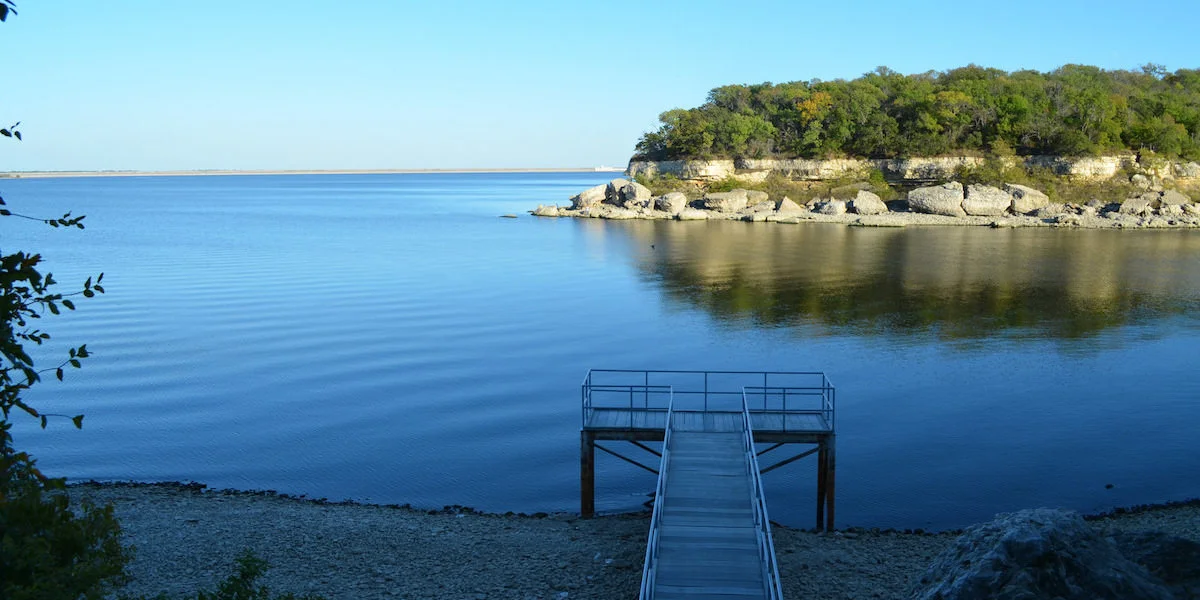
If you’ve ever typed the name of a famous lake and hesitated over whether to capitalize it, you’re not alone. Many writers, students, bloggers, and even businesses wonder whether water bodies should follow specific capitalization rules. This topic becomes especially interesting when discussing a popular destination like Lake Texoma—a place known for fishing, boating, and tourism.
So let’s establish the core truth upfront: Lake Texoma should be capitalized because it is a proper noun, and all proper nouns in English require capitalization.
But this subject goes deeper than basic grammar. Understanding why “lake texoma should be capitalized” matters can help content creators maintain professionalism, improve SEO accuracy, and communicate clearly with readers. Whether you’re writing travel guides, school papers, or social media captions, right grammar enhances clarity and credibility.
In this article, you’ll learn the rules behind lake name capitalization, common mistakes to avoid, sentence examples, and why proper capitalization is essential for anyone referencing Lake Texoma online or offline.
Understanding Why Lake Names Are Capitalized
The English language distinguishes between two main categories of nouns:
- Common nouns (e.g., lake, river, mountain)
- Proper nouns (e.g., Lake Texoma, Red River, Rocky Mountains)
A lake name falls under the category of proper nouns because it refers to a specific, identifiable place. That means Lake Texoma should be capitalized in every context—titles, essays, social media posts, brochures, and blogs.
Why this matters
Capitalizing Lake Texoma correctly helps:
- Avoid grammar errors
- Maintain a consistent writing style
- Ensure professionalism in published material
- Improve SEO because search engines match exact capitalization patterns
Even though search engines do not require capitalization for understanding, well-structured and grammatically correct content increases user trust, which strengthens E-E-A-T signals.
The Grammar Rule Behind Why “Lake Texoma Should Be Capitalized”
The official rule comes directly from the standards of proper nouns in English:
Capitalize the formal names of geographic features when they include the generic term (Lake, River, Mount, etc.) as part of the name.
Examples:
- Lake Superior
- Lake Tahoe
- Lake Texoma
This grammar rule applies consistently worldwide, which is why “lake texoma should be capitalized” in every grammatical situation. The generic noun Lake becomes part of the official name, so it is not treated like a lowercase descriptor.
If you write simply the lake, lowercase is correct because you are speaking generally.
If you write Lake Texoma, capitalize both words because it is the lake’s official name.
Common Mistakes People Make When Writing Lake Names
Even experienced writers sometimes make capitalization errors. Here are some of the most common mistakes relating to why Lake Texoma should be capitalized:
1. Lowercasing the entire name
- Incorrect: lake texoma
- Correct: Lake Texoma
2. Capitalizing only one word
- Incorrect: lake Texoma or Lake texoma
3. Using lowercase after prepositions
Some mistakenly write:
- Incorrect: Fishing at lake Texoma is popular.
Because they assume the preposition at changes capitalization rules, but it does not.
4. Confusion with informal references
Writers sometimes switch between formal and informal without realizing it.
- The lake is beautiful. (correct lowercase)
- Lake Texoma is beautiful. (correct uppercase)
5. Believing common search behavior influences grammar
Because many people type lake texoma in lowercase during quick searches, some assume this makes the lowercase form acceptable.
But grammatically, it does not.
Examples of Correct and Incorrect Capitalization
Below are practical examples demonstrating when and how to use capitalization correctly.
Correct Usage
- “We spent the weekend at Lake Texoma.”
- “The view of Lake Texoma at sunset is breathtaking.”
- “Tourism around Lake Texoma supports local businesses.”
Incorrect Usage
- “We spent the weekend at lake texoma.”
- “The view of lake Texoma is breathtaking.”
- “Tourism around Lake texoma supports local businesses.”
These examples clearly illustrate why “lake texoma should be capitalized” at all times in proper written English.
Why Proper Capitalization Matters for Tourism, Branding, and SEO
Lake Texoma is a major recreational and tourism area on the Texas–Oklahoma border. Millions of people visit every year, and countless businesses, blogs, and travel agencies write about the lake.
Here’s why capitalization matters:
1. Professional Branding
If you run a business near the lake—such as a marina, fishing guide service, or resort—using correct capitalization improves your brand’s perceived expertise and trustworthiness.
2. Search Engine Optimization (SEO)
Search engines analyze:
- On-page grammar
- Headings
- Keyword consistency
- Proper nouns
While capitalization alone doesn’t determine ranking, strong writing signals quality. That makes it easier for your content to compete with established sites.
3. User Experience
Correct capitalization helps readers quickly identify important terms and proper names. It reduces confusion, especially for users unfamiliar with the location.
4. Digital Consistency
Across maps, tourism websites, and government pages, the accepted format is Lake Texoma. Matching this ensures a unified digital footprint.
Historical Background of Lake Texoma
Understanding the lake’s history helps reinforce why Lake Texoma should be capitalized as a proper noun.
Lake Texoma was created in 1944 when the Denison Dam was built on the Red River. The U.S. Army Corps of Engineers manages it, and today it is one of the largest reservoirs in the United States.
The lake spans two states:
- Texas
- Oklahoma
The name Texoma itself is a blend of the two state names, making it a unique coined term that further strengthens its classification as a formal proper noun.
Because the lake’s name is unique and historically significant, capitalizing it properly honors its identity and official designation.
How to Use Lake Texoma in Sentences Correctly
Below are practical examples showing how the keyword “lake texoma should be capitalized” applies in real sentences.
When referencing the lake formally
- “Fishing at Lake Texoma attracts thousands each year.”
- “Several marinas around Lake Texoma offer boat rentals.”
When using informal references
- “The lake is known for striped bass fishing.”
- “Several parks surround the lake.”
When combining with adjectives
- “The scenic beauty of Lake Texoma draws photographers nationwide.”
- “Families enjoy picnicking along Lake Texoma’s shoreline.”
In academic or professional writing
- “This report confirms that Lake Texoma should be capitalized as a proper noun in all contexts.”
Related Capitalization Rules for Other Geographic Names
Understanding why Lake Texoma should be capitalized becomes easier when comparing similar rules for other geographic features.
1. Rivers
- Correct: Red River, Mississippi River
- Incorrect: red river, mississippi river
2. Mountains
- Correct: Mount Everest, Rocky Mountains
- Incorrect: mount everest
3. Parks and Forests
- Correct: Yellowstone National Park, Sam Houston National Forest
- Incorrect: yellowstone national park
4. Cities and States
- Correct: Austin, Dallas, Oklahoma City
- Incorrect: austin, dallas, oklahoma city
These examples help reinforce the universal grammar rule that governs why Lake Texoma should be capitalized.
Frequently Asked Questions
1. Should “Lake Texoma” always be capitalized?
Yes. Lake Texoma should be capitalized in every formal context because it is a proper noun.
2. Is “lake” capitalized on its own?
No. When used generically—the lake is crowded today—it remains lowercase.
3. Do search engines care about capitalization?
Search engines can interpret lowercase text, but proper capitalization improves readability, professionalism, and trust.
4. Why do some people write “lake texoma” in lowercase?
Many people type naturally in lowercase when searching online, but this does not reflect correct grammar rules.
5. Are there exceptions to capitalizing lake names?
Only when the generic form is used without the official name (e.g., “the lake,” “a lake”). Otherwise, the official name always requires capitalization.
Conclusion: Final Thoughts on Why “Lake Texoma Should Be Capitalized”
To recap, Lake Texoma should be capitalized because it is a proper noun that identifies a specific geographic feature. Capitalizing it correctly shows respect for the lake’s official name, maintains grammatical accuracy, and supports SEO best practices. Whether you’re writing a blog post, creating a travel guide, or developing a website related to the region, using proper capitalization ensures clarity, professionalism, and trust.