

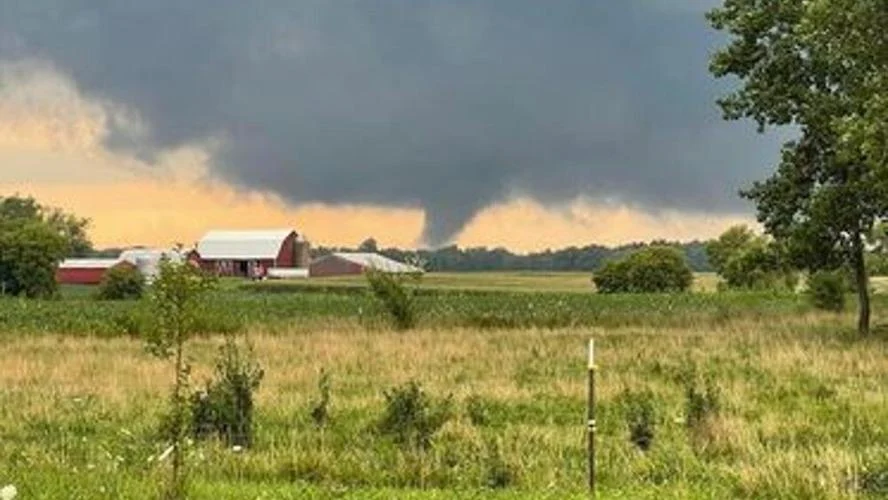
When a tornado warning Michigan alert flashes across your phone or interrupts your television program, it demands immediate attention. Unlike a general weather advisory, a tornado warning is issued when a tornado has been sighted or indicated by radar. For residents across the Great Lakes State, understanding what a tornado warning Michigan alert truly means can make the difference between confusion and confident action.
Michigan may not be the first place people associate with tornadoes, yet the state experiences dozens of confirmed tornadoes every year. From spring thunderstorms in the Lower Peninsula to severe summer systems sweeping across Lake Michigan, the risk is real. This guide will walk you through everything you need to know about a tornado warning Michigan notification, how it differs from a tornado watch, what causes these storms, and how to prepare effectively.
Throughout this article, you will find practical safety guidance, expert-backed insights, and references to trusted meteorological authorities. The goal is simple: to ensure that when a tornado warning Michigan alert is issued, you know exactly what to do.
Understanding a Tornado Warning Michigan Alert
A tornado warning Michigan alert is issued by the National Weather Service when a tornado is either observed by trained spotters or detected through Doppler radar. This means a tornado is occurring or imminent in the warned area. Immediate protective action is required.
The National Weather Service, part of the National Oceanic and Atmospheric Administration (NOAA), uses advanced radar systems and storm spotter networks to monitor severe weather. When meteorologists detect rotation within a thunderstorm that could produce a tornado, they issue a warning specific to affected counties or cities.
It is important to distinguish between a tornado watch and a tornado warning Michigan alert. A tornado watch means conditions are favorable for tornado formation. A tornado warning Michigan alert, however, indicates that a tornado is already happening or about to occur. The urgency is much higher.
Many residents rely on smartphone alerts, weather radios, and local news stations to stay informed. The effectiveness of these systems depends on people understanding the seriousness of a tornado warning Michigan message.
Why Michigan Experiences Tornadoes
Although Tornado Alley in the central United States receives much of the attention, Michigan’s geography makes it vulnerable to severe storms as well. A tornado warning Michigan alert often follows the collision of warm, moist air from the Gulf of Mexico with cooler air masses from Canada.
The Great Lakes influence local weather patterns significantly. Warm air moving over the lakes can create instability in the atmosphere, particularly in late spring and early summer. When strong wind shear is present, rotating thunderstorms known as supercells can form. These storms are the primary producers of tornadoes.
According to historical data from NOAA’s Storm Prediction Center, Michigan averages around 15 tornadoes per year. Some years see more, particularly when atmospheric conditions align favorably. A tornado warning Michigan alert is more common between April and July, though tornadoes can occur at any time of year.
Urban areas such as Detroit, Grand Rapids, and Lansing have all experienced tornado warnings in the past. Rural communities are not immune either. The widespread geography of the state means a tornado warning Michigan alert can affect nearly any region
How Tornado Warnings Are Issued in Michigan
When meteorologists detect suspicious storm rotation on Doppler radar, they analyze several factors before issuing a tornado warning Michigan alert. These include wind velocity data, storm structure, and reports from trained weather spotters.
The National Weather Service offices serving Michigan, including those in Detroit/Pontiac, Grand Rapids, and Marquette, coordinate closely during severe weather events. Once a tornado warning Michigan alert is confirmed, it is broadcast through:
Emergency Alert System notifications
Wireless Emergency Alerts to smartphones
NOAA Weather Radio broadcasts
Local television and radio stations
The warning typically lasts 30 to 45 minutes, though it can be extended if the storm continues to show rotation. During this time, residents within the warned area must seek shelter immediately.
Understanding the technology behind a tornado warning Michigan alert can help build trust in the system. Doppler radar detects rotation by measuring wind velocity within a storm. If winds are moving toward and away from the radar in close proximity, it signals potential rotation
What To Do During a Tornado Warning Michigan
When a tornado warning Michigan alert is issued, immediate action is critical. The safest place is in a basement or a small interior room on the lowest floor of a sturdy building. Avoid windows and exterior walls.
If you live in an apartment without a basement, move to an interior hallway or bathroom. Mobile homes are particularly vulnerable during tornadoes, so residents should seek more secure shelter as soon as possible when a tornado warning Michigan alert is issued.
Many Michigan residents keep emergency kits prepared during severe weather season. These kits often include water, flashlights, batteries, first aid supplies, and weather radios. Taking proactive steps before a tornado warning Michigan alert occurs ensures a faster response.
Driving during a tornado warning Michigan situation is extremely dangerous. Vehicles can be lifted or overturned by strong winds. If you are caught on the road, seek sturdy shelter immediately. Overpasses are not safe options.
The Impact of Past Tornado Warning Michigan Events
Historical tornado events underscore the seriousness of a tornado warning Michigan alert. For example, severe outbreaks have damaged homes, businesses, and infrastructure across the state in previous decades.
In some cases, tornadoes have struck densely populated areas, leading to widespread power outages and property damage. The lessons learned from these events reinforce why a tornado warning Michigan notification must never be ignored.
Emergency management agencies across Michigan work year-round to improve warning systems and public education. Community preparedness programs, storm drills, and improved radar technology have enhanced response times.
The experience gained from past tornado warning Michigan incidents has shaped better building codes and public awareness campaigns. While tornadoes cannot be prevented, their impact can be minimized with proper planning.
How Climate Patterns Influence Tornado Warning Michigan Frequency
Climate variability plays a role in severe weather trends. Warmer temperatures can increase atmospheric moisture, which may contribute to more intense thunderstorms. Researchers continue to study whether climate change affects tornado frequency in states like Michigan.
Although long-term trends are complex, meteorologists agree that severe weather preparedness remains essential. Regardless of broader climate debates, a tornado warning Michigan alert will always demand immediate action.
Michigan’s position between major air masses means the state will continue to experience periodic severe storms. Residents should view each tornado warning Michigan alert as a reminder of nature’s unpredictability.
Staying Prepared Before the Next Tornado Warning Michigan
Preparation should begin well before severe weather season. Monitoring forecasts from the National Weather Service and local meteorologists provides early awareness.
Families often create communication plans in case members are separated during a tornado warning Michigan event. Knowing where to meet and how to contact one another reduces panic during emergencies.
Schools and workplaces across Michigan regularly conduct tornado drills. These exercises ensure that when a tornado warning Michigan alert sounds, individuals know exactly where to go.
Installing weather alert apps and keeping devices charged can also be lifesaving. Technology has significantly improved how quickly residents receive tornado warning Michigan notifications.
The Role of Local Authorities During a Tornado Warning Michigan
Emergency management agencies coordinate closely during severe weather events. Police, fire departments, and utility crews remain on standby when a tornado warning Michigan alert is active.
After a tornado passes, officials assess damage, clear debris, and restore power. Community resilience often shines during recovery efforts.
Public cooperation is essential. Following official guidance during a tornado warning Michigan event ensures emergency responders can focus on critical needs.
Frequently Asked Questions About Tornado Warning Michigan
What does a tornado warning Michigan alert mean?
A tornado warning Michigan alert means a tornado has been sighted or indicated by radar in the warned area. Immediate shelter is necessary.
How long does a tornado warning Michigan typically last?
Most warnings last between 30 and 45 minutes, though they can be extended if the storm remains dangerous.
Is Michigan part of Tornado Alley?
Michigan is not traditionally considered part of Tornado Alley, but it does experience tornadoes regularly, especially in spring and early summer.
How can I receive a tornado warning Michigan alert?
You can receive alerts through Wireless Emergency Alerts on your phone, NOAA Weather Radio, local news broadcasts, and weather apps.
Are nighttime tornado warning Michigan alerts more dangerous?
Yes. Tornadoes at night are often more dangerous because they are harder to see, and people may be asleep when alerts are issued.
Conclusion: Taking Every Tornado Warning Michigan Seriously
A tornado warning Michigan alert is never routine. It signals an immediate threat that requires decisive action. While Michigan may not experience tornadoes as frequently as some central states, the risk remains significant each year.
By understanding how warnings are issued, recognizing the atmospheric conditions that produce tornadoes, and preparing in advance, residents can protect themselves and their families. When the next tornado warning Michigan notification appears, you will be ready to respond calmly and confidently.
Severe weather is a fact of life in Michigan. Awareness, preparation, and trust in reliable weather authorities are the keys to staying safe.’