

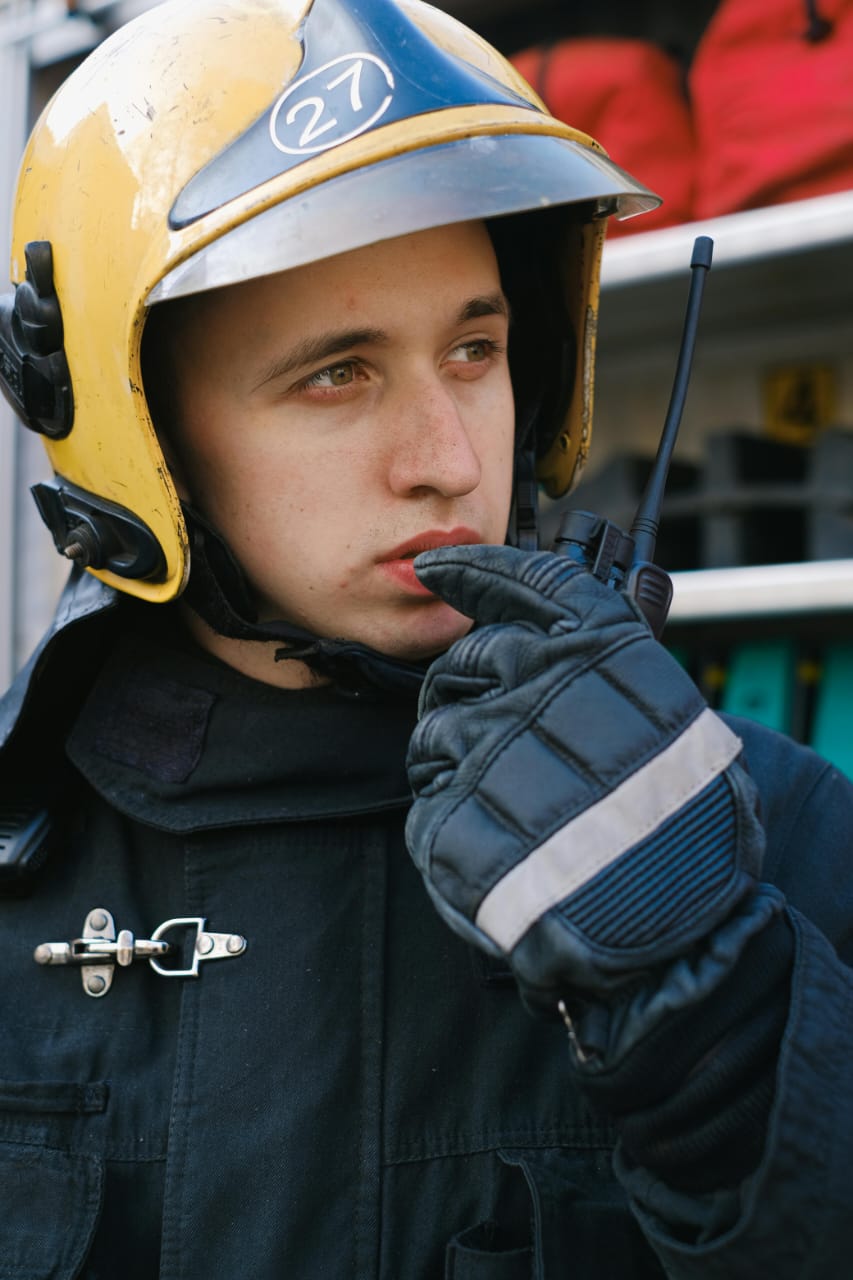
In a typical workplace, communication is almost invisible. Messages go out, instructions get followed, and no one pauses to think about how it all holds together. In hazardous environments, that same mind-set quietly creates risk.
Facilities dealing with flammable gases, airborne dust, chemicals, or heavy machinery don’t have the luxury of “good enough” communication. A missed update or a delayed response is not just inconvenient; it can change how quickly a situation escalates.
Most of these industries already operate under strict safety systems. Procedures exist. Teams are trained. Compliance is documented. Yet incidents still happen. Not because there are no rules, but because information doesn’t always move as cleanly in practice as it does on paper.
Where Things Start to Go Wrong
Breakdowns in communication are rarely major at the start. It’s usually something small. A message that isn’t heard clearly over background noise. An instruction that reaches too late. A detail that gets slightly altered as it passes between teams.
A common issue is the reliance on tools that were never meant for these conditions. Standard devices struggle in environments with constant noise, interference, or exposure to heat and dust. Signals become unreliable. Batteries drain faster than expected. Equipment behaves unpredictably when conditions are pushed.
Organisations like the Health and Safety Executive and the National Institute for Occupational Safety and Health have both highlighted how often communication gaps sit in the background of serious incidents. Not as the only cause, but as a contributing factor that makes situations harder to control.
The underlying issue is straightforward: the environment demands more than the tools are built to deliver.
What “Safe Communication” Actually Involves
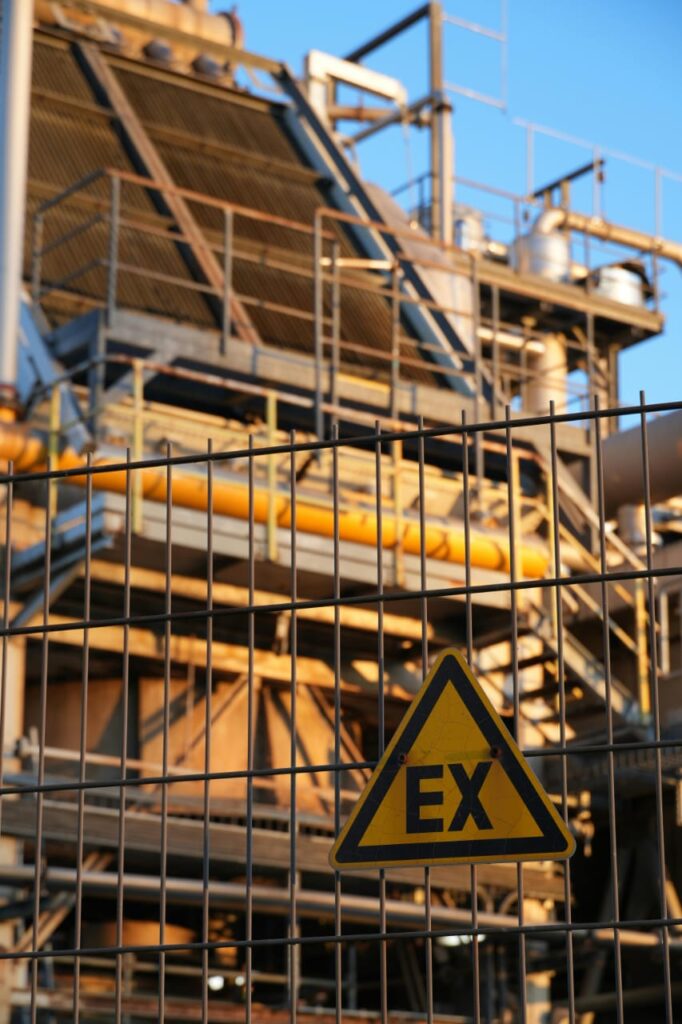
Not all hazardous environments are equal. Some carry constant risk, while others become dangerous only under certain conditions. That’s why they’re divided into zones, based on how likely it is that explosive substances are present.
This classification directly affects what equipment can be used. Standards like ATEX exist to make sure devices don’t introduce new risks, such as no sparks, no excess heat, and nothing that could trigger ignition.
But equipment alone doesn’t solve the problem. Teams that handle pressure well tend to keep communication simple. Short instructions. Clear identifiers. No unnecessary detail when time matters. In contrast, unstructured communication tends to slow things down or create confusion at exactly the wrong moment.
There is a noticeable difference between teams that communicate often and teams that communicate clearly. Only one of those actually reduces risk.
The Role of Technology and Its Limits
Communication technology for industrial settings has advanced significantly. Batteries now last longer, devices are more durable, and audio quality has increased even in noisy environments. Additionally, certification requirements are more precisely defined.
Still, adoption is inconsistent. Some operations continue using outdated tools because they appear to function well enough under normal conditions. The problem is that hazardous environments are rarely “normal” for long.
In such environments, even communication devices must meet strict safety standards, which is why intrinsically safe two way radios are commonly used. These devices are specifically designed to operate in volatile conditions without creating additional risk.
What Actually Improves Communication Safety
Improving communication does not require a complete fix. Most gaps come from overlooked details rather than major failures.
- Use equipment suited to real conditions.
Selection should be based on where and how the device will be used, not just availability or cost.
- Keep communication direct and predictable.
Under pressure, clarity matters more than detail. Consistency reduces hesitation.
- Check equipment under real conditions.
Routine testing helps identify issues before they show up at the worst possible time.
- Train for communication, not just procedures.
Knowing what to say and how to say it can make a measurable difference when timing is tight.
- Make communication part of safety planning.
It should be built into risk assessments, not treated as a separate layer.
The Part That Gets Overlooked
Communication rarely gets the same attention as visible safety measures. It is less tangible, harder to quantify, and easier to assume is working.
But its impact is immediate when something goes wrong. Delays increase. Errors multiply. Response time slows. In high-risk environments, those small shifts matter.
There is also a human side to it. Teams rely on predictable communication to stay confident in what they’re doing. When that reliability drops, hesitation follows, and hesitation is not something hazardous environments tolerate well.
Closing Perspective
Hazardous workspaces are designed around control, such as controlling risk, processes, and outcomes. Communication sits quietly at the centre of all of it. When it works, no one notices. When it doesn’t, it becomes the weak link that everything else depends on.
A more deliberate approach, choosing the right tools, keeping communication clear, and treating it as part of the safety system itself, doesn’t add complexity. It removes uncertainty. And in these environments, that difference is not minor.