

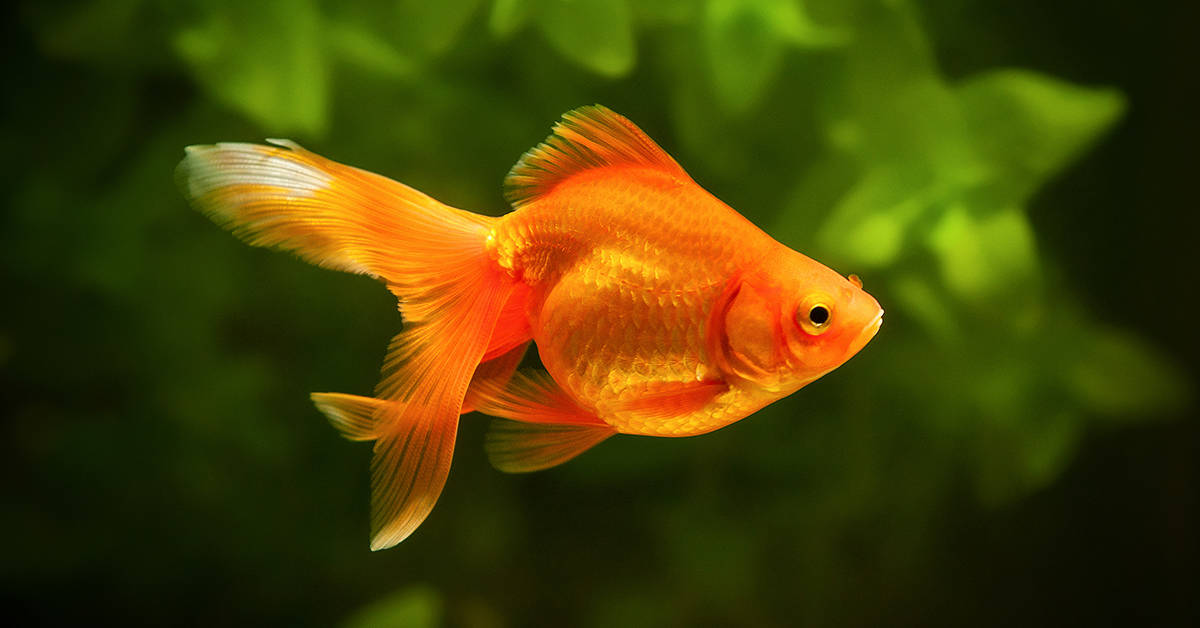
Goldfish are one of the most popular pets in the world, known for their vibrant orange color and graceful movements. But while these little aquatic creatures are adored by many, some may wonder: can you eat goldfish? The idea might sound odd to some, but the truth is more complex than you might think. This article will dive into whether eating goldfish is safe, the reasons behind the concept, and what you should consider if you ever find yourself asking, “Can you eat goldfish?”
Understanding Goldfish as Food
Before we answer the question of whether you can eat goldfish, it’s important to first understand what goldfish are. Goldfish are a type of freshwater fish that are domesticated for use as pets. Their scientific name is Carassius auratus, and they belong to the family Cyprinidae. Goldfish are often kept in aquariums, but they can also be found in ponds and even some backyard water features.
While they are small in size compared to many other fish species, goldfish have a long history as ornamental pets. Their domestication dates back to ancient China, where they were bred for their bright golden hue and graceful appearance. But in modern times, these colorful little creatures have become more than just pets. They are a popular snack in the form of Goldfish crackers, a beloved snack in many households.
So, with this background in mind, let’s address the big question: can you eat goldfish?
The Safety of Eating Goldfish
In theory, yes, you can eat goldfish. Like any other fish, goldfish are made of edible meat. However, the question of whether it’s advisable to eat them is a different matter. Let’s take a look at a few key points before considering consuming goldfish.
Health Risks of Eating Pet Goldfish
One of the most important factors to consider when asking, “Can you eat goldfish?” is the safety of the fish. Goldfish that are raised in captivity and kept as pets are not typically bred or raised for human consumption. This means they could be exposed to various substances or chemicals that are harmful to humans, including medications, pesticides, or pollutants in the water. These substances can pose serious health risks if ingested.
Goldfish in pet stores may also be treated with chemicals to prevent disease and improve their appearance, which could be harmful to anyone who decides to eat them. Therefore, it’s generally not recommended to consume goldfish that were raised as pets or purchased from pet stores.
The Taste and Texture of Goldfish
Another factor to consider is the flavor and texture of goldfish. Goldfish are small, with very little meat compared to larger fish like salmon or trout. Their flesh is not known for being particularly flavorful or tender, which makes them less desirable as a food source. In fact, goldfish are not typically consumed as food in most cultures.
While some people might be curious about the taste of goldfish, it’s important to note that they are not considered a delicacy or a staple food in any culinary tradition. The fish’s small size, lack of flesh, and potential health risks make it an unappealing option for most people.
Goldfish as a Source of Protein
Goldfish, like other fish, are a good source of protein. They contain omega-3 fatty acids, which are beneficial for heart health, and other nutrients that can support your body’s overall health. However, the amount of edible meat on a goldfish is minimal. For those seeking fish for protein, there are many other species that offer more meat and greater nutritional benefits.
Some cultures have historically consumed smaller fish, but goldfish are generally not one of them. This is largely due to their small size, which limits their culinary appeal. In short, while goldfish can technically provide protein, they are not a practical or popular choice for this purpose.
Can You Eat Goldfish from the Pet Store?
If you’re considering eating a goldfish from the pet store, it’s crucial to evaluate a few key points. As mentioned, goldfish sold as pets are not raised for human consumption. They may have been treated with chemicals or medications that are unsafe for humans to ingest. Additionally, pet stores may not adhere to food safety standards for the fish, which could further increase the risks associated with eating them.
If you do choose to eat a goldfish, it’s essential to ensure that the fish is free from any harmful chemicals or medications. In most cases, it’s simply safer and more appropriate to avoid eating goldfish from pet stores altogether.
Are There Any Cultures That Eat Goldfish?
While goldfish are not commonly consumed in most cultures, there are a few instances where small fish, including goldfish, have been consumed as food. In ancient China, goldfish were seen as a symbol of wealth and prosperity, but they were not typically eaten. In more modern times, goldfish have appeared in culinary experiments and niche dishes, but they are still not considered a mainstream food source.
In some rare instances, small fish like goldfish might be eaten as part of a local delicacy or novelty dish, but this is extremely rare and not recommended. For most people, goldfish are better enjoyed as pets rather than as a meal.
The Legal Side of Eating Goldfish
In some places, eating goldfish could actually be illegal or considered inhumane. Many countries and regions have animal protection laws that prohibit the killing of certain species of pets for food, including goldfish. Moreover, since goldfish are often regarded as companion animals, it could be seen as unethical or socially unacceptable to eat them.
Additionally, some jurisdictions have regulations regarding the sale and consumption of ornamental fish, and eating pet goldfish could violate these laws. Before considering eating a goldfish, it’s important to research local laws and cultural norms to avoid legal or ethical issues.
Alternatives to Eating Goldfish
If you’re interested in fish for its nutritional value, there are numerous alternative options that are both safer and more widely accepted. Some of the best fish for eating include:
- Salmon
- Trout
- Tuna
- Cod
- Haddock
These fish are raised for human consumption, ensuring they meet food safety standards and are more suitable for cooking. They also provide a more substantial amount of meat, making them a more practical choice for meals.
Conclusion: Can You Eat Goldfish?
In conclusion, while it is technically possible to eat goldfish, it is not recommended for a variety of reasons. Goldfish are not raised for human consumption and may be exposed to harmful chemicals, medications, or pollutants. Their small size and lack of significant flesh make them unappealing as a food source, and there are much safer and tastier fish options available.
If you’re looking for a source of protein or simply want to enjoy a delicious fish meal, consider choosing a more traditional, edible fish that is both safe and nutritious. Goldfish should be appreciated for their beauty and companionship rather than as a food item.
FAQ
Can you eat goldfish from a pet store?
While it’s technically possible to eat goldfish from a pet store, it’s not advisable due to the potential chemicals and medications used on the fish, which may pose health risks.
What happens if you eat a goldfish?
Eating a goldfish could expose you to harmful chemicals, pesticides, or pollutants. It may also lead to food poisoning or allergic reactions due to the fish’s lack of regulation for human consumption.
Is it illegal to eat goldfish?
In some places, eating goldfish may be illegal or considered unethical. It’s important to check local laws and regulations before considering consuming a pet goldfish.
Are goldfish edible?
Yes, goldfish are technically edible. However, their small size and the potential risks involved make them an unappealing and impractical food source.
What fish should I eat instead of goldfish?
If you’re looking for a safe and delicious fish to eat, consider options like salmon, tuna, trout, or cod. These fish are widely available and raised specifically for human consumption.