

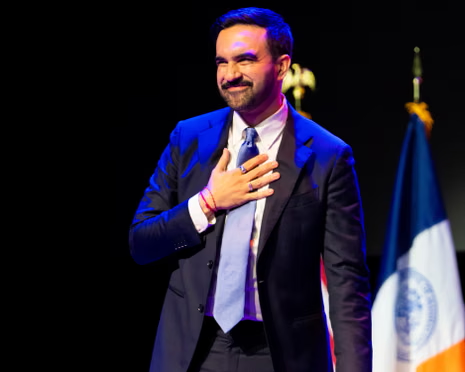
The nyc mayoral election results are always one of the most closely watched political developments in the United States. New York City is the largest city in the country and a global hub for finance, culture, and politics. Because of its size and influence, the outcome of the mayoral race often signals broader political trends and public priorities.
In recent years, the nyc mayoral election results have drawn massive attention from voters, media outlets, political analysts, and policy experts. The election determines who will lead the city through critical challenges such as public safety, economic recovery, housing affordability, infrastructure development, and education reform.
Understanding the nyc mayoral election results requires looking beyond just the final vote count. It involves examining the campaign strategies, voter turnout patterns, major policy debates, and the political climate that shaped the race. This article provides a detailed look at the election results, the factors that influenced them, and what they mean for the future of New York City.
Understanding the NYC Mayoral Election Results
The nyc mayoral election results reflect the collective decision of millions of voters across New York City’s five boroughs. Each borough has unique social, economic, and political dynamics that influence how residents vote. The mayoral race typically becomes a citywide conversation about priorities such as crime reduction, economic growth, transportation improvements, and affordable housing.
The latest nyc mayoral election results showed strong engagement from voters who were eager to shape the direction of the city. Campaigns focused heavily on local issues affecting everyday New Yorkers, including public safety concerns, rising living costs, and the recovery of small businesses following economic challenges.
Political analysts often study the nyc mayoral election results to understand how different communities voted and what issues mattered most to them. Neighborhood voting patterns can reveal shifts in political alliances, generational changes in voting behavior, and emerging policy priorities.
The mayor of New York City holds significant executive authority. The role includes overseeing city agencies, managing the municipal budget, and implementing policies that affect more than eight million residents. For that reason, the nyc mayoral election results are not just symbolic; they directly influence the governance of one of the world’s most important cities.
NYC Mayoral Election Results and the Voting Process
The process that produces the nyc mayoral election results involves several stages. Candidates usually begin campaigning months or even years before the election. They participate in debates, community forums, and public events to present their vision for the city.
Primary elections often play a critical role in determining the final nyc mayoral election results. Because New York City has a strong presence of certain political parties, the primary election can sometimes be as influential as the general election itself.
In recent election cycles, ranked-choice voting has also become a significant factor in determining the nyc mayoral election results. This system allows voters to rank multiple candidates in order of preference. If no candidate receives a majority of first-choice votes, the counting process continues by redistributing votes from lower-ranked candidates until one candidate secures a majority.
This approach was designed to ensure that the winner of the mayoral race has broad support across the electorate. As a result, the final nyc mayoral election results often reflect a coalition of voters rather than a narrow plurality.
Key Issues That Shaped the NYC Mayoral Election Results
Several major issues influenced the nyc mayoral election results and the direction of the campaign. Public safety was one of the most frequently discussed topics. Many voters expressed concerns about crime rates and policing policies, leading candidates to present detailed plans for improving safety while maintaining community trust.
Economic recovery was another major factor shaping the nyc mayoral election results. After facing economic disruptions in recent years, residents and business owners wanted strong leadership focused on job creation, support for small businesses, and revitalizing neighborhoods.
Housing affordability also played a central role in the nyc mayoral election results. New York City has long struggled with rising rents and limited affordable housing options. Candidates debated strategies to expand housing development, protect tenants, and improve housing access for working families.
Education policies contributed to the broader conversation surrounding the nyc mayoral election results as well. Voters showed interest in improving public schools, expanding early childhood education, and ensuring equal opportunities for students across different communities.
Transportation and infrastructure were also prominent themes. New Yorkers rely heavily on public transit, and voters expected mayoral candidates to propose solutions for improving subway systems, road safety, and urban mobility.
Borough-Level Impact on NYC Mayoral Election Results
One of the most fascinating aspects of the nyc mayoral election results is how different boroughs influence the final outcome. Each borough brings its own political identity and voter priorities.
Manhattan voters often focus on issues related to business development, housing policy, and environmental initiatives. Brooklyn, with its diverse neighborhoods and growing population, tends to reflect a wide range of political views that significantly impact the nyc mayoral election results.
Queens plays a critical role due to its large and multicultural population. Voting patterns in Queens frequently influence the final nyc mayoral election results because of the borough’s demographic diversity and active civic engagement.
The Bronx historically demonstrates strong voter turnout in mayoral elections. Community concerns about economic opportunity, housing, and education often shape how residents vote, influencing the broader nyc mayoral election results.
Staten Island, although smaller in population compared to other boroughs, still contributes to the citywide results and provides insight into suburban perspectives within New York City politics.
How Campaign Strategies Influenced the NYC Mayoral Election Results
Campaign strategies have a significant impact on the nyc mayoral election results. Candidates typically focus on building grassroots support, engaging local communities, and presenting clear policy proposals.
Modern campaigns rely heavily on digital outreach, community organizing, and media appearances to reach voters. Social media platforms have become essential tools for communicating with residents and promoting campaign messages.
Debates and public forums often play a decisive role in shaping voter perceptions before the nyc mayoral election results are finalized. These events allow voters to compare candidates directly and evaluate their leadership abilities.
Fundraising also influences the nyc mayoral election results, as campaigns require financial resources to run advertisements, organize events, and communicate with voters across the city.
Successful candidates often balance citywide messaging with targeted outreach in specific neighborhoods. By addressing local concerns while presenting a broader vision for the city, campaigns can strengthen their chances of influencing the final nyc mayoral election results.
What the NYC Mayoral Election Results Mean for the Future
The nyc mayoral election results set the tone for New York City’s political and economic direction in the years ahead. The elected mayor must address complex challenges while guiding the city toward long-term growth and stability.
Policy decisions following the nyc mayoral election results often affect public safety initiatives, housing development, economic policies, and infrastructure investment. These decisions shape the daily lives of millions of residents.
The mayor’s leadership also influences the city’s relationship with state and federal governments. Cooperation between different levels of government can impact funding for transportation projects, housing programs, and disaster preparedness.
Observers frequently analyze the nyc mayoral election results to predict how the new administration will approach governance. Some mayors prioritize economic expansion, while others emphasize social programs or environmental sustainability.
Ultimately, the election outcome represents the priorities and expectations of the people who live in New York City. The nyc mayoral election results therefore reflect both the present needs and the future hopes of the city’s residents.
Conclusion: Why the NYC Mayoral Election Results Matter
The nyc mayoral election results are more than just numbers on an election night scoreboard. They represent the collective voice of millions of New Yorkers deciding who should lead their city through both opportunities and challenges.
Each election cycle provides insight into shifting political attitudes, emerging social issues, and the evolving priorities of urban voters. The nyc mayoral election results highlight what residents expect from their government and how they envision the future of their communities.
As New York City continues to grow and change, the nyc mayoral election results will remain a defining moment in the city’s political landscape. The elected mayor must translate campaign promises into practical policies that strengthen neighborhoods, support economic growth, and improve the quality of life for all residents.
For voters, understanding the nyc mayoral election results is an important step toward staying informed, engaged, and active in the democratic process that shapes one of the world’s most influential cities.
Frequently Asked Questions About NYC Mayoral Election Results
What are the NYC mayoral election results?
The nyc mayoral election results show the final vote counts that determine who becomes the mayor of New York City. These results are based on ballots cast by voters across all five boroughs.
How often are NYC mayoral elections held?
The nyc mayoral election results are announced after elections held every four years. This cycle allows voters to choose a mayor who will serve a four-year term leading the city government.
How does ranked-choice voting affect NYC mayoral election results?
Ranked-choice voting allows voters to rank candidates by preference. This system can influence the nyc mayoral election results because votes from eliminated candidates are redistributed until one candidate reaches a majority.
Why are NYC mayoral election results important nationally?
Because New York City is one of the largest and most influential cities in the world, the nyc mayoral election results often attract national attention and can signal broader political trends.
Where can voters follow NYC mayoral election results?
The nyc mayoral election results are typically released through official city election authorities and widely reported by major news organizations on election night